
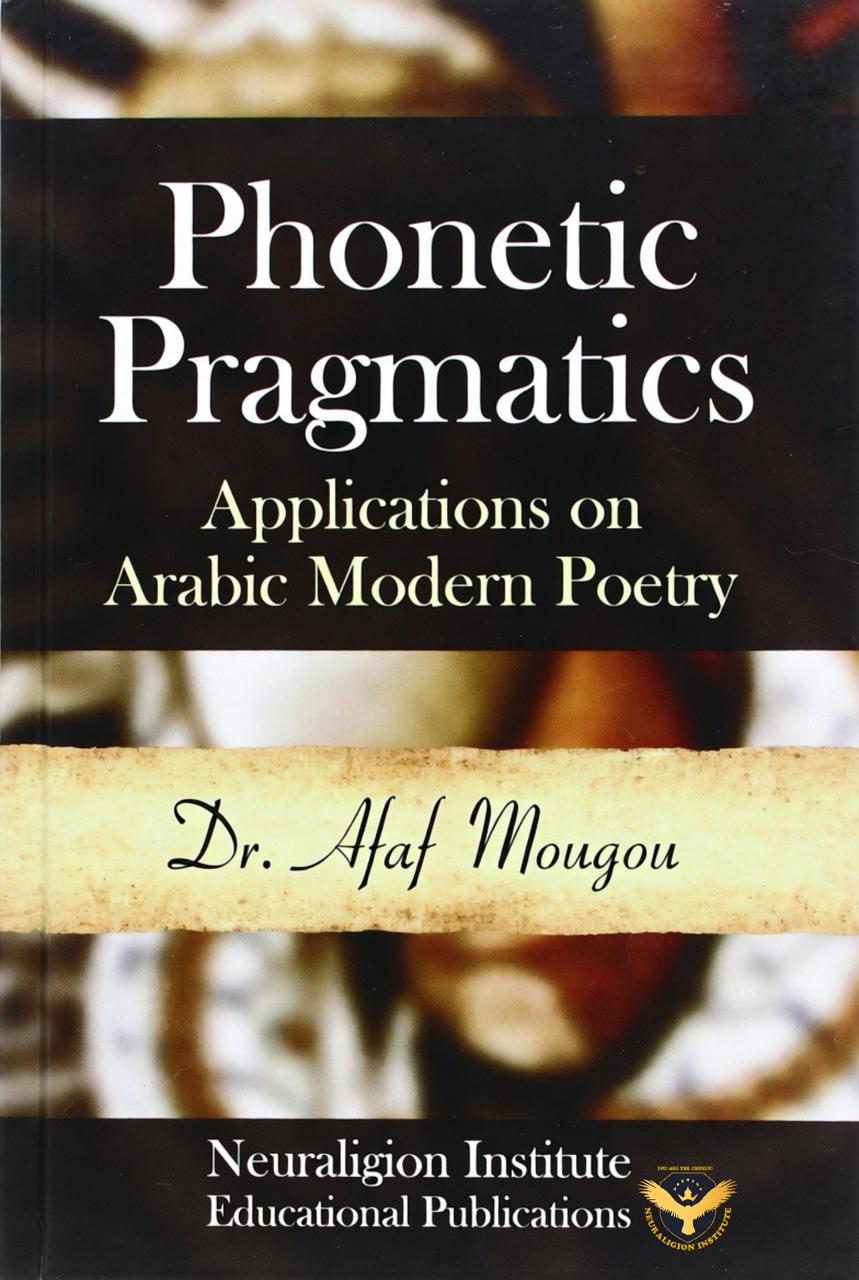
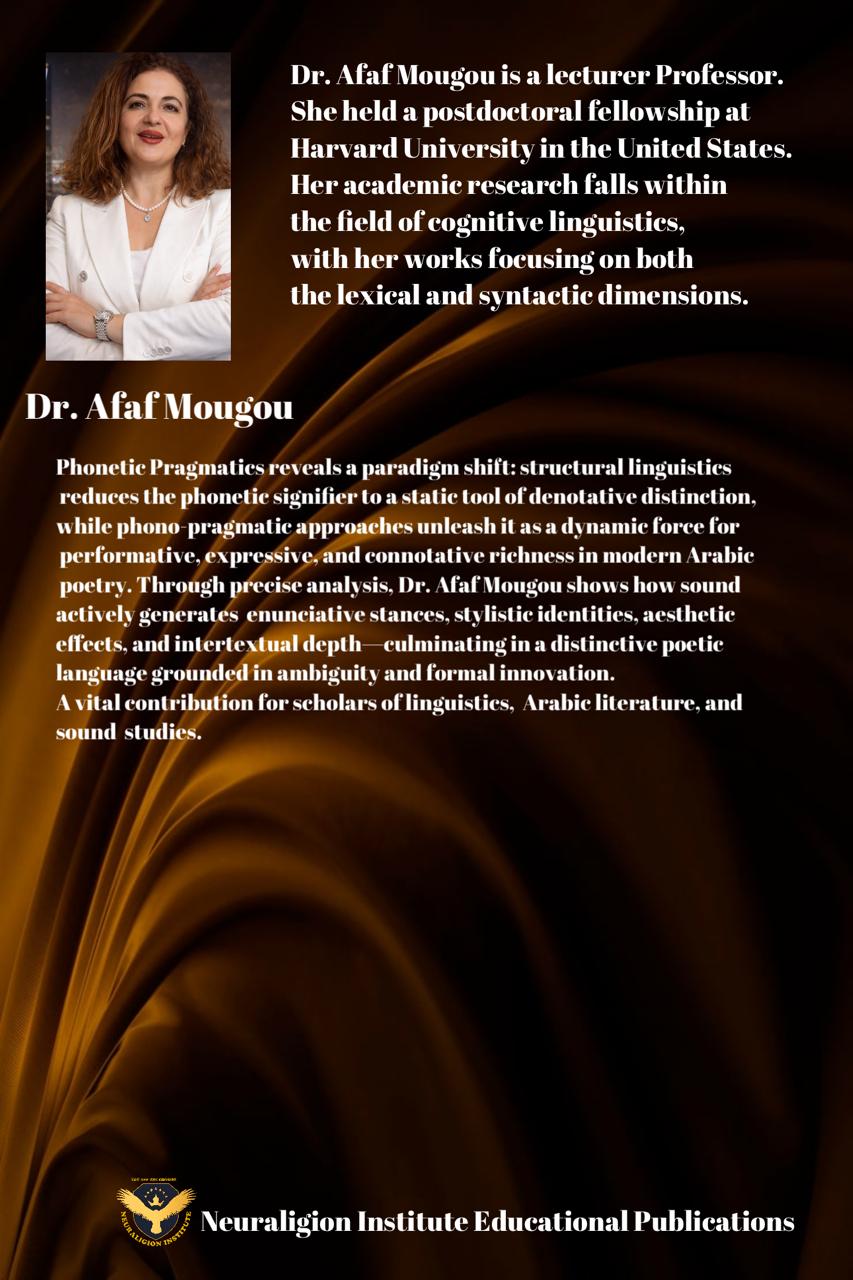
Phonetic Pragmatics Applied to Modern Arabic Poetry explores the subtle power of sound in shaping meaning beyond the lexical level. This study examines how phonetic structures in modern Arabic poetry function as pragmatic signals that generate layered connotations and emotional resonance.
Moving beyond traditional phonological analysis, the book investigates the connotative significance of phonetic patterns — rhythm, repetition, consonantal texture, vowel length, and sound symbolism — and demonstrates how these elements guide interpretation, evoke sensory imagery, and influence reader perception.
Through analytical applications to modern poetic texts, the work reveals how sound operates as a communicative strategy that produces multiple interpretive possibilities, aesthetic depth, and psychological impact.
This book is an essential resource for scholars, linguists, literary critics, and students interested in:
- Arabic phonetics and phonology
- Pragmatics and meaning construction
- Modern Arabic poetry and stylistics
- Sound symbolism and cognitive interpretation
- The intersection of language, aesthetics, and perception
By uncovering how phonetic form generates connotative meaning, this study opens new pathways for understanding poetic expression and the acoustic dimension of literary creativity.
In modern Arabic poetry—from the innovative free verse of pioneers like Abd Al-Wahhab Al-Bayati, Adonis, Mahmoud Darwish, Badr Shakir al-Sayyab and Nazik al-Malaika to the rhythmic experiments of today’s voices—the phonetic layer is far more than mere musicality. It serves as a pragmatic tool: sounds actively perform communicative acts, shape contextual meanings, evoke connotations , and influence the reader’s emotional and interpretive response.


Reviews
There are no reviews yet.